Can EMDR Help With Suppressed Memories? Trauma Therapy in Florida Explained
If you’ve ever had the thought,
“I feel like something happened… but I can’t fully remember it,”
you’re not alone.
A lot of people come to therapy feeling confused by this and wondering why the have this feeling something happened to them without an actual visual memory to recall it.
They notice anxiety, shame, strong emotional reactions, or patterns that don’t seem to match what they can consciously recall.
And that often leads to questions like:
Can therapy help me access suppressed memories?
What if my brain is hiding something important?
Do I need to remember everything in order to heal?
These are valid questions. But the answers are often different than people expect.
Many people seeking therapy across Florida and Alabama notice these same patterns.
Some are local. Others are searching more broadly for the right fit and are open to traveling for therapy that actually helps them move forward.
If you’ve also felt stuck in therapy even after doing the work, this might help explain why:
What Do We Mean by “Suppressed” or “Lost” Memories?
Memory doesn’t work like a video recording.
When something overwhelming happens, the brain may store the experience in pieces rather than a clear, linear story.
You might remember:
emotions but not events
physical sensations without context
flashes or images without a full narrative
a general sense that something happened, but no clear details
This isn’t a sign that something is wrong with you.
It’s often a sign that your brain did exactly what it needed to do to protect you at the time.

How EMDR Works With Memory
EMDR therapy takes a different approach than traditional talk therapy.
Instead of trying to dig for or force memories, it works with what your nervous system is already holding.
This is what makes it so effective for people who feel like they don’t have the full story.
When your system feels safe enough, a few things often happen naturally:
Clarity increases
Some people notice that memories become clearer or that pieces start to connect.
Emotional intensity decreases
Even without full details, the emotional charge around experiences often softens.
A sense of connection returns
People feel more present in their lives, relationships, and bodies.
This is also why some people choose EMDR intensives.
Having more time and space allows your brain to stay in the processing instead of stopping and starting each week.
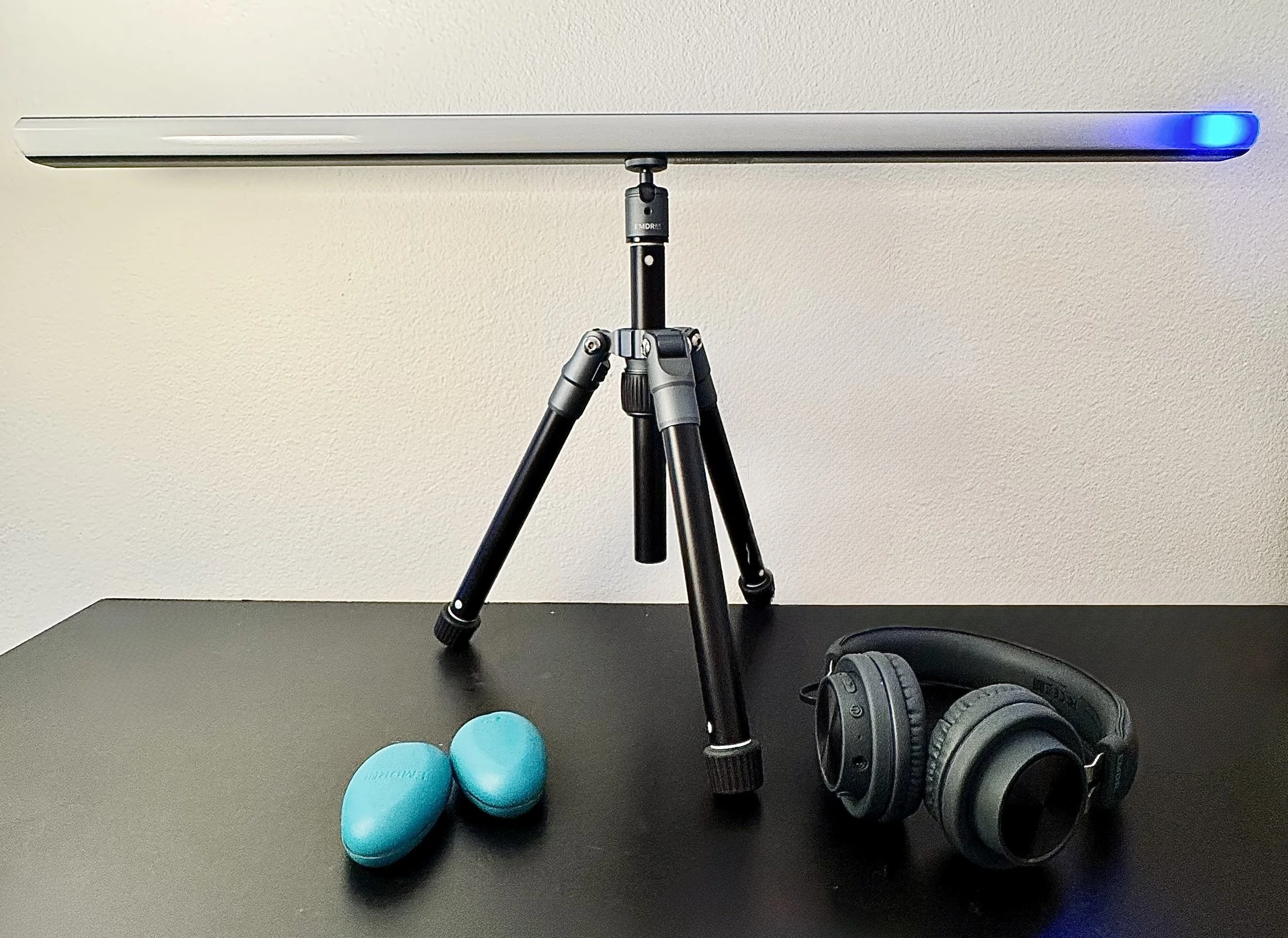
Does EMDR Bring Back Suppressed Memories?
Sometimes memories come up during EMDR. Sometimes they don’t.
Both are completely valid.
Healing is not about forcing memory retrieval.
It’s about:
feeling safer in your body
reducing emotional reactivity
making sense of your experiences
feeling more like yourself again
And even if a memory isn’t clearly coming up, sometimes we are processing what is stuck in your nervous system and it may show up more somatic or “body based”. That’s totally normal and fine!
Many clients say things like:
“I didn’t remember anything new, but I feel lighter.”
“I understand my reactions in a different way now.”
“I don’t feel stuck in it anymore.”
That’s the shift we’re looking for.
Why Some People Travel for EMDR Therapy
Not everyone finds the kind of therapy they need close to home.
This is especially true for:
trauma-focused work
EMDR intensives
nervous system-based approaches
That’s why some people choose to travel for therapy.
It allows them to:
access a more specialized approach
step away from daily stressors
fully focus on their healing
If you’ve been wondering whether traveling for therapy is worth it, you can read more here:
Why Florida Has Become a Destination for Therapy Intensives
Many clients searching for EMDR therapy or trauma therapy consider Florida for a few reasons.
It offers:
a slower, calmer environment
access to nature and water
space to step away from everyday demands
EMDR intensives at Hello Calm in Pensacola are designed for both local clients and those traveling in from across Florida and Alabama.
Longer, focused sessions allow your brain to stay in the work, which often leads to deeper clarity and relief in a much quicker time than weekly therapy.

EMDR and Brainspotting for Deeper Trauma Work
In intensives, I may use EMDR, Brainspotting, or a combination depending on what fits best.
Both approaches:
work directly with the nervous system
help process experiences stored in the body
go beyond insight alone
I love having multiple tools to help you process and fully work through things during our time together. We will vary the approach depending on the memory and what you need and respond best to!
Do You Need to Remember Everything to Heal?
No!
Healing does not require perfect recall.
It requires:
safety
connection
emotional resolution
Some people regain details over time. Others don’t.
Both paths can lead to meaningful change.
Ready to Explore Whether This Is a Fit?
If you’ve been feeling stuck, confused about your memory, or like something hasn’t fully shifted, it might not be about doing more.
It might be about doing something differently.
Ready to get started?
Reach out and Hannah will respond within 48 business hours!