Is It Worth Traveling for Therapy? How It Can Help You Heal Faster
If you’ve been in therapy before and still feel stuck, you’re not alone.
A lot of people reach a point where they’ve done the talking, they understand their patterns, and they can explain their story… but something still isn’t shifting the way they hoped it would.
That’s usually the moment when people start wondering if they need something different.
And for some, that question turns into this one:
Is it actually worth traveling for therapy?
The short answer is yes. But probably not for the reasons you think.
*If you’ve been feeling stuck in therapy, you might also relate to this post where I break down why that happens and what actually helps.

Why Some People Choose to Travel for Therapy
Most people don’t start out looking to travel for therapy.
They start by looking for relief.
They’re searching things like:
why do I still feel stuck in therapy
why does my body still react to stress
how to heal trauma faster
therapy not working for me
At some point, they realize the issue isn’t that they’re not trying hard enough.
It’s that the format of therapy might not be giving them what they need.
That’s when traveling for therapy starts to make a lot more sense.
Because it opens up options that may not exist in their immediate area.
When Staying Local Isn’t Enough
There are incredible therapists in almost every city.
But not every city offers:
therapy intensives
EMDR therapy in longer sessions
specialized trauma work for chronic illness or complex trauma
And even when those options exist, they’re often limited.
Traveling allows you to:
access a therapist who specializes in exactly what you’re dealing with
choose a format that allows for deeper, more focused work
step outside of your usual environment so you can actually concentrate on healing
For many people, that combination is what finally creates movement.
How Traveling for Therapy Can Help You Heal Faster
This is the part most people don’t realize.
It’s not just the travel itself that makes the difference.
It’s what the travel allows.

1. More Time, Less Stopping and Starting
In weekly therapy, you might spend the first part of each session catching up, regulating, and getting back into where you left off.
With a therapy intensive, you have extended time to stay with the work.
That continuity matters more than people expect.
It allows your nervous system to actually process, instead of repeatedly pausing and restarting.
2. A Focused, Distraction-Free Environment
When you travel for therapy, you’re not squeezing sessions in between work, errands, and everyday stress.
You’re creating space.
Space to focus
Space to feel
Space to actually move through what’s been coming up
That level of focus often leads to deeper progress in a shorter amount of time.
3. A Different Experience Than Weekly Therapy
Many clients who travel for therapy are not new to therapy.
They’re people who have already done the work.
They’re just ready for something that goes deeper.
Therapy intensives, especially EMDR and Brainspotting intensives, are designed for that kind of depth.
Instead of talking about the same patterns week after week, you’re actively working through them in a more immersive way.
What About Therapy Retreats?
You might have come across terms like “mental health retreat” or “therapy retreat in Florida” while searching.
Those can be helpful in some cases, but they’re often very different from individualized therapy.
A retreat is usually:
group-based
structured around general wellness
less personalized
A therapy intensive is:
one-on-one
tailored specifically to you
focused on deep, clinical work
If you’re looking for real, lasting change, that level of personalization matters.
Why Florida Has Become a Popular Place for Therapy Intensives
Many people searching for therapy intensives end up looking at Florida for a few reasons.
It offers:
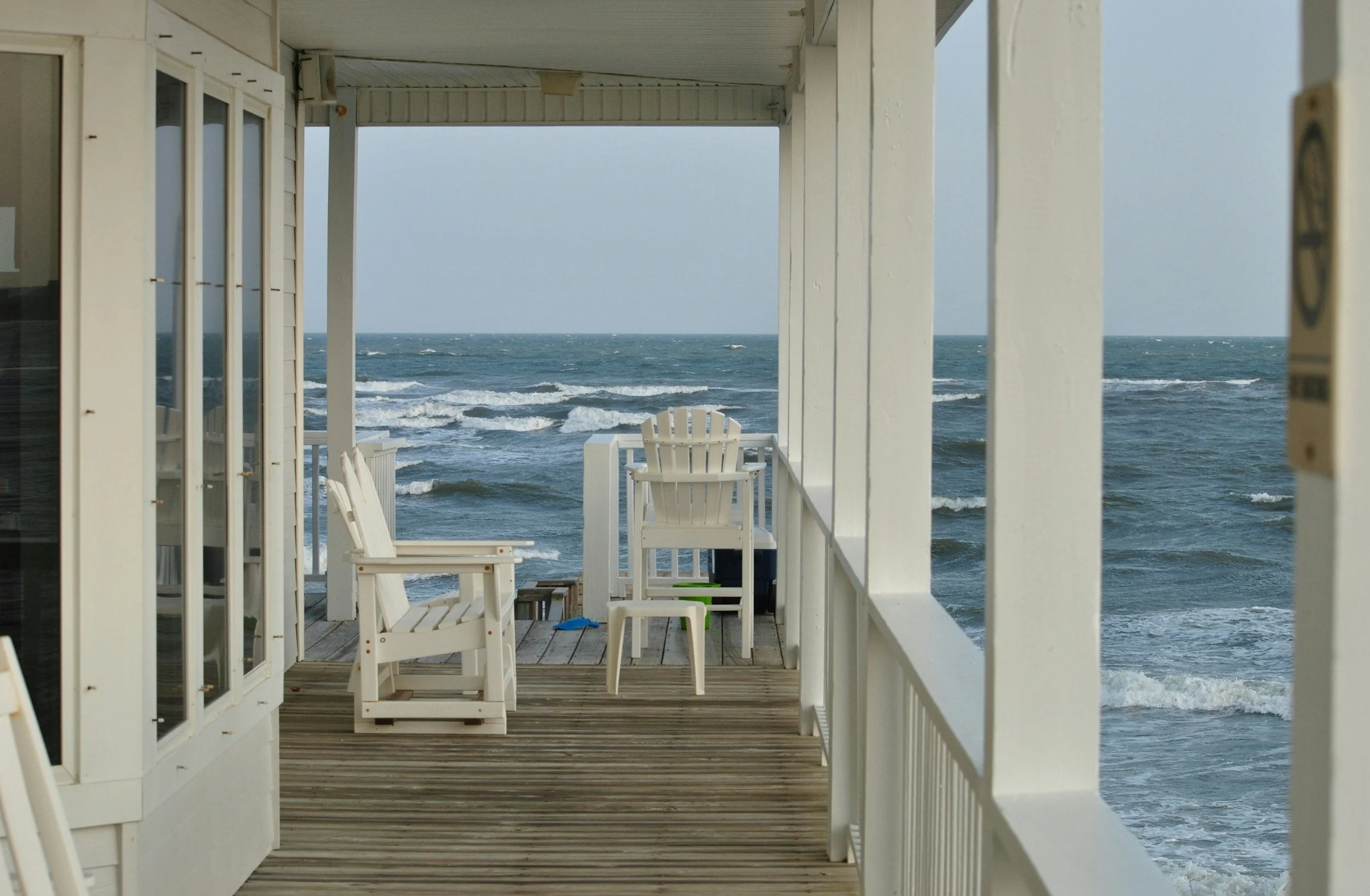
a calmer, slower-paced environment
access to nature and water, which can support nervous system regulation
an opportunity to step away from daily stressors
For clients who travel for EMDR therapy or trauma intensives, that combination can make the experience feel more supportive and contained.
What Traveling for a Therapy Intensive Actually Looks Like
One of the biggest questions people have is what the experience will be like.
While every therapist structures intensives a little differently, most include:
an initial intake and planning session
1 to 3 days of focused therapy work
built-in breaks to support regulation
guidance on how to prepare and what to expect
integration support after the intensive
Many clients choose to stay nearby in a quiet space so they can rest and process between sessions.
Is Traveling for Therapy Worth It?
For the right person, yes.
Especially if you:
feel stuck in weekly therapy
want to make deeper progress in a shorter amount of time
are looking for specialized trauma work
are ready to prioritize your healing in a more intentional way
Traveling for therapy isn’t about making things more complicated.
It’s about giving yourself access to a different level of care.
A Different Way to Approach Healing
If you’ve been feeling like you’re doing everything “right” in therapy but still not seeing the shifts you want, it might not be about doing more.
It might be about doing something differently.
That’s where therapy intensives come in.
And for many people, traveling is the piece that makes that option possible.
Ready to Explore Whether This Is a Fit?
If you’re considering traveling for a therapy intensive and want to see if it’s the right next step for you, you can learn more here:
Or reach out directly to schedule a consultation and talk through what you’re looking for.

About The Author
Hannah Ciampini, LCSW, is a licensed trauma therapist and EMDR intensive provider based in Pensacola, Florida. She works with adults both locally and from across Florida and Alabama who are seeking a more focused, effective approach to trauma healing.
Hannah specializes in EMDR and Brainspotting intensives for clients who feel stuck in traditional therapy and are ready for deeper, lasting change. Many of her clients choose to travel to Pensacola for intensive therapy, allowing them to step away from daily stress and fully focus on their healing in a calm, supportive environment.
Through Hello Calm Therapy, she is committed to helping clients move forward in a way that feels grounded, personalized, and meaningful.