Why Do I Get Overwhelmed So Easily? Trauma, Stress, and Nervous System Overload Explained

Have you ever looked around and wondered why everyone else seems to handle life better than you do?
Maybe a few work emails feel overwhelming. A packed schedule leaves you completely exhausted. Small decisions feel impossible to make. Your to-do list keeps growing because even simple tasks suddenly feel like way too much.
If you've found yourself asking, "Why do I get overwhelmed so easily?" I see you.
For many adults, chronic overwhelm is not a sign of weakness, laziness, or lack of motivation. Usually, it is a sign that the nervous system has been carrying far more stress than it was designed to handle for far too long.
What Does It Mean to Feel Overwhelmed?
Feeling overwhelmed happens when your brain and body perceive that the demands being placed on you exceed your current capacity to manage them.
Sometimes the reasons are obvious:
• Work stress
• Parenting responsibilities
• Relationship challenges
• Financial pressure
• Major life transitions
Other times, overwhelm seems to appear out of nowhere and can completely take over.
You may have a relatively normal day and still feel emotionally flooded, mentally exhausted, or unable to handle tasks that once felt manageable.
This can be incredibly confusing, especially for high-functioning adults who are used to pushing through challenges.
Why Do Small Things Feel So Overwhelming?
One of the most frustrating parts of chronic overwhelm is that the trigger often doesn't seem significant enough to justify the reaction.
You may feel overwhelmed by:
• Responding to emails
• Returning phone calls
• Grocery shopping
• Scheduling appointments
• Household chores
• Making decisions
• Social plans
• Unexpected changes in routine
Many people begin criticizing themselves.
They’ll themselves:
"I used to handle more than this."
"Why can't I get it together?"
"Something must be wrong with me."
But often the issue is not the task itself.
The issue is the amount of stress your nervous system has been carrying beneath the surface.
Trauma and the Overloaded Nervous System
When we experience trauma, chronic stress, emotional neglect, burnout, or prolonged uncertainty, the nervous system adapts to help us survive.
The brain becomes increasingly focused on identifying potential threats and staying prepared for what might happen next.
Over time, this can leave the nervous system stuck in a constant state of alertness.
When this happens, everyday responsibilities can begin to feel overwhelming because your brain is already using much of its energy trying to keep you safe.
The result is often feeling like everything is "too much," even when life appears relatively manageable from the outside.

Signs Your Nervous System May Be Overloaded
Nervous system overload often shows up in ways people don't immediately connect to trauma or chronic stress.
Common signs include:
• Feeling overwhelmed by simple tasks
• Difficulty concentrating
• Brain fog
• Emotional reactivity
• Irritability
• Chronic fatigue
• Anxiety
• Trouble relaxing
• Difficulty making decisions
• Feeling constantly behind
• Trouble starting tasks
• Feeling exhausted by normal responsibilities
Many adults assume they simply need better time management or more discipline. Sometimes I’ll hear them say “I just get overstimulated too easily”.
In reality, their nervous system may be operating beyond its current capacity.
Why High-Functioning Adults Often Feel Overwhelmed
Many of the adults I work with are highly capable.
They are professionals, caregivers, business owners, healthcare workers, educators, and parents.
To others, they appear successful and organized.
Internally, however, they often feel beyond exhausted.
For years they have learned how to function while carrying anxiety, trauma, perfectionism, people-pleasing patterns, burnout, or chronic stress.
Eventually the nervous system reaches a point where it can no longer maintain that pace without consequences.
What looks like laziness or lack of motivation is often exhaustion.
What looks like procrastination is often overwhelm.
What looks like avoidance is often a nervous system that has reached its limit.
Why Willpower Doesn't Fix Overwhelm
When people feel overwhelmed, they often respond by trying harder.
They buy planners, create stricter schedules, or push themselves to be more productive.
While these tools can be helpful, they do not address the underlying nervous system response.
If the root issue involves trauma, chronic stress, or nervous system dysregulation, simply pushing harder can sometimes increase the overwhelm rather than reduce it.
This is one reason so many adults feel stuck despite doing all the "right" things.
How Trauma Therapy Can Help
Healing overwhelm often requires more than coping skills.
It requires helping the nervous system recognize that it is no longer trapped in survival mode.
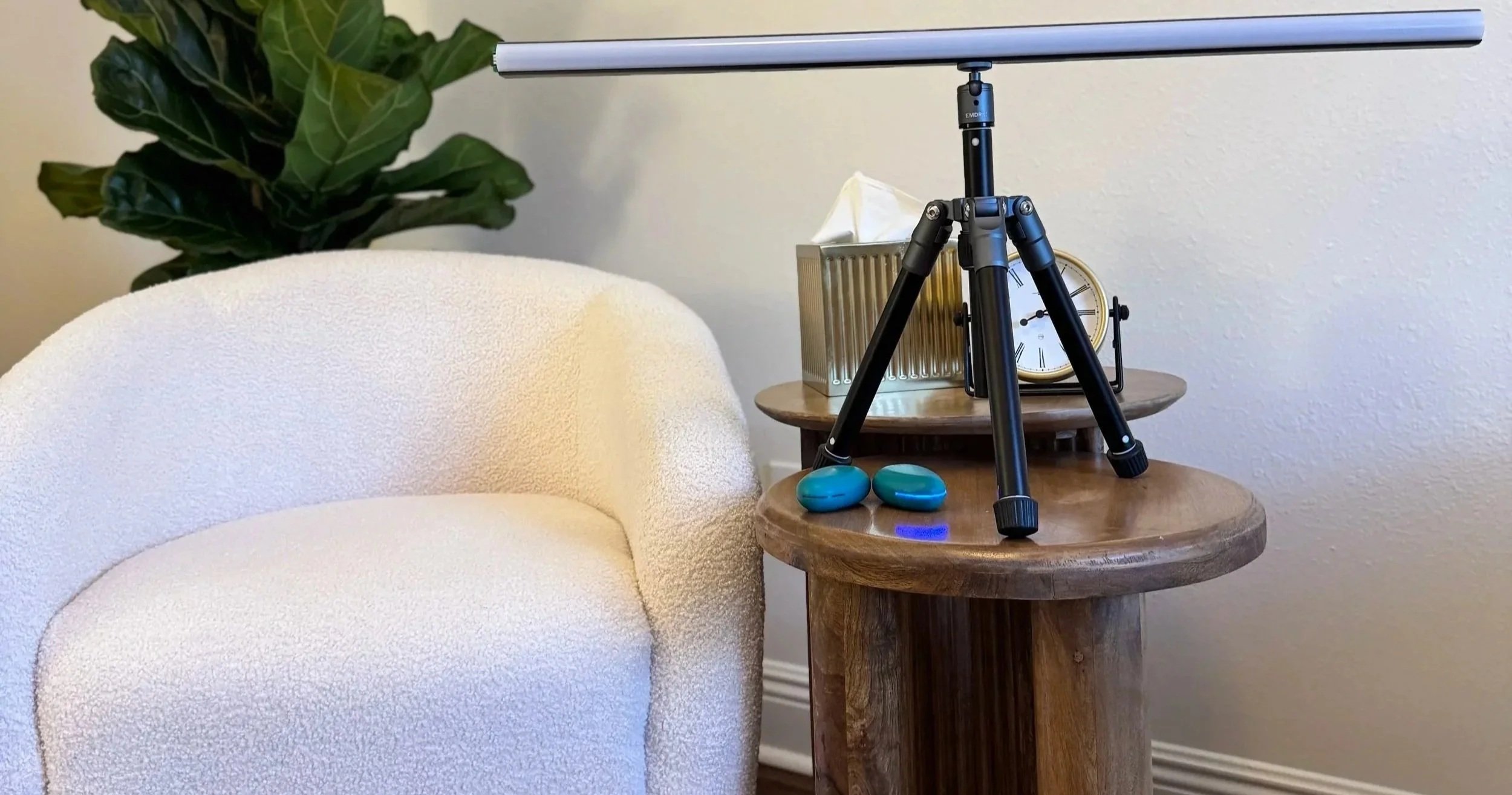
Approaches such as EMDR and Brainspotting help individuals process experiences that may still be contributing to chronic nervous system activation.
As healing occurs, many people notice:
• Less anxiety
• Improved emotional regulation
• Better concentration
• Increased resilience
• Reduced overwhelm
• Greater ability to manage stress
• More energy for daily life
The goal is not to eliminate stress completely.
The goal is to help your nervous system respond to stress in a healthier and more sustainable way.
When Weekly Therapy Doesn't Feel Like Enough
Some individuals struggling with chronic overwhelm have already spent months or years in therapy.
They understand their patterns intellectually but still feel emotionally stuck.
In these situations, longer-format approaches such as EMDR Intensives may provide an opportunity for deeper, more focused work.
Rather than spreading trauma processing across many months, intensive therapy allows for extended time to address underlying nervous system patterns and create meaningful momentum in healing.
You can read more of my articles about this here:
• Why You Feel Stuck in Therapy
• Why Understanding Your Trauma Isn't Enough to Heal It
• How to Know If You're Ready for an EMDR Intensive
• What Trauma Actually Feels Like in the Body
You Are Not Failing
If you feel overwhelmed by things that seem easy for everyone else, it does not automatically mean something is wrong with you.
It may simply mean your nervous system has been carrying more than most people realize.
The good news is that overwhelm is not always something you have to live with forever.
With the right support, many people discover that life becomes more manageable, decisions feel easier, and daily responsibilities stop feeling so heavy.
Healing isn't about becoming someone different.
It's about helping your nervous system finally experience the safety and capacity it may have been missing for a very long time.
Frequently Asked Questions
Why do I get overwhelmed by small tasks?
Small tasks can feel overwhelming when the nervous system is carrying chronic stress, anxiety, burnout, or unresolved trauma. The issue is often not the task itself but the body's reduced capacity to manage additional demands.
Can trauma make you feel overwhelmed all the time?
Yes. Trauma can keep the nervous system in a heightened state of alertness, causing everyday responsibilities to feel more difficult, draining, and emotionally overwhelming.
What is nervous system overload?
Nervous system overload occurs when the brain and body remain in a prolonged state of stress activation, making it difficult to regulate emotions, manage responsibilities, and recover from everyday stressors.
Can EMDR help with chronic overwhelm?
EMDR can help individuals process unresolved traumatic experiences and reduce nervous system activation, which may lead to decreased overwhelm, improved emotional regulation, and greater resilience.
Is feeling overwhelmed a sign of burnout?
Sometimes. Chronic overwhelm can be associated with burnout, but it may also be connected to anxiety, trauma, nervous system dysregulation, grief, or prolonged stress.
You Are Not Failing
If you feel overwhelmed by things that seem easy for everyone else, it does not automatically mean something is wrong with you.
It may simply mean your nervous system has been carrying more than most people realize.
The good news is that chronic overwhelm is often not a permanent state. When the underlying patterns driving survival mode are addressed, many people notice that daily life begins to feel more manageable. Decisions become easier. Stress feels less consuming. Responsibilities no longer feel quite so heavy.
Healing isn't about becoming a different person.
It's about helping your brain and body recognize that they no longer have to work so hard just to get through the day.
If you've spent years feeling overwhelmed, exhausted, emotionally flooded, or stuck in survival mode despite your best efforts, you don't have to navigate it alone.
Ready to Take the Next Step?
At Hello Calm Therapy, I provide EMDR Intensives and Brainspotting Intensives for adults throughout Florida and Alabama, as well as those traveling to Pensacola for focused trauma treatment.
If you're wondering whether an intensive may be a good fit for your situation, I invite you to schedule a free consultation.
Ready To Reach Out?
Fill out the form and Hannah Ciampini will reach out to you within 48 business hours. Be sure to check spam!

About the Author
Hannah Ciampini, LCSW, is a licensed clinical social worker and trauma therapist based in Pensacola, Florida. She specializes in EMDR Intensives and Brainspotting Intensives for adults struggling with trauma, anxiety, burnout, religious trauma, chronic stress, and nervous system overwhelm.
Rather than traditional weekly therapy, Hannah focuses on intensive therapy experiences designed to help clients make meaningful progress in a concentrated period of time. She works with adults throughout Florida and Alabama, as well as those who travel to Pensacola seeking a more focused approach to healing.
Learn more about EMDR Intensives, Brainspotting, and trauma therapy at Hello Calm Therapy Services.