Why You Can’t Relax Even When Nothing Is Wrong

Sometimes the hardest moments to relax are the quiet ones.
Nothing bad is happening.
No one is actively demanding something from you. Your responsibilities may finally be handled for the day.
And yet your body still feels tense.
Your brain keeps scanning.
You feel restless.
Emotionally on edge.
Mentally overactive.
Unable to fully settle.
For many adults, relaxing does not actually feel relaxing.
And honestly, this can feel incredibly frustrating when life looks relatively “fine” on the outside.
You may even catch yourself thinking:“Why can’t I just calm down?”
If this sounds familiar, you are far from alone & I see you.
For many high-functioning adults, difficulty relaxing has very little to do with laziness, failure, or “being bad at self-care.”
Often, it is a nervous system that has spent too long learning how to stay in survival mode.
Relaxation Can Feel Unsafe To A Nervous System Stuck In Survival Mode
One thing many people do not realize about trauma and chronic stress is that the nervous system adapts around protection.
If your body has spent years preparing for:
criticism
unpredictability
emotional overwhelm
conflict
chronic stress
caregiving
burnout
instability
…it can eventually start treating tension as normal.
For many adults in this case, slowing down creates discomfort because the nervous system is no longer distracted by constant movement, productivity, or survival tasks.
That is often when anxiety, racing thoughts, emotional overwhelm, or restlessness become more noticeable.
This is one reason many adults tell me:
“I can relax physically, but my brain never shuts off.”
Or:
“I finally have downtime and somehow feel even more anxious.”
Your nervous system may simply still be operating as though it needs to stay alert.
Not because you are broken or “don’t know how to relax”, but because your body learned vigilance was necessary for survival.

Why High-Functioning Adults Often Struggle To Relax The Most
Many adults who struggle to relax are actually incredibly capable people.
They are often:
responsible
productive
dependable
emotionally intelligent
successful
highly self-aware
Which is exactly why nervous system exhaustion can go unnoticed for so long.
Many high-functioning adults become extremely skilled at:
staying busy
over-functioning
pushing through exhaustion
managing everyone else’s needs
intellectualizing emotions
remaining productive under stress
Over time, the body can become so accustomed to operating under pressure that slowing down begins to feel unfamiliar and hard to do; When your nervous system is used to constant activation, calm can sometimes feel emotionally uncomfortable at first.
This is especially common for adults experiencing:
high-functioning anxiety
unresolved trauma
chronic stress
emotional burnout
perfectionism
people pleasing
nervous system dysregulation
Why Rest Alone Does Not Always Solve The Problem
One of the most frustrating parts of nervous system dysregulation is that rest alone does not always create relief.
You can:
sleep more
take vacations
slow down
practice self-care
reduce responsibilities
…and still feel internally tense.
Because trauma and chronic stress are not only cognitive experiences, they are physiological experiences too.
The nervous system stores patterns of protection over time, which means even during objectively safe moments, the body may still:
brace for stress
anticipate problems
struggle to settle
remain emotionally guarded
stay hyper-alert
This is one reason many adults feel confused when relaxation feels strangely inaccessible.
Your body may still be operating from an old survival pattern even if your current environment no longer requires it and unfortunately this isn’t something that you can simply “talk yourself out of feeling”.
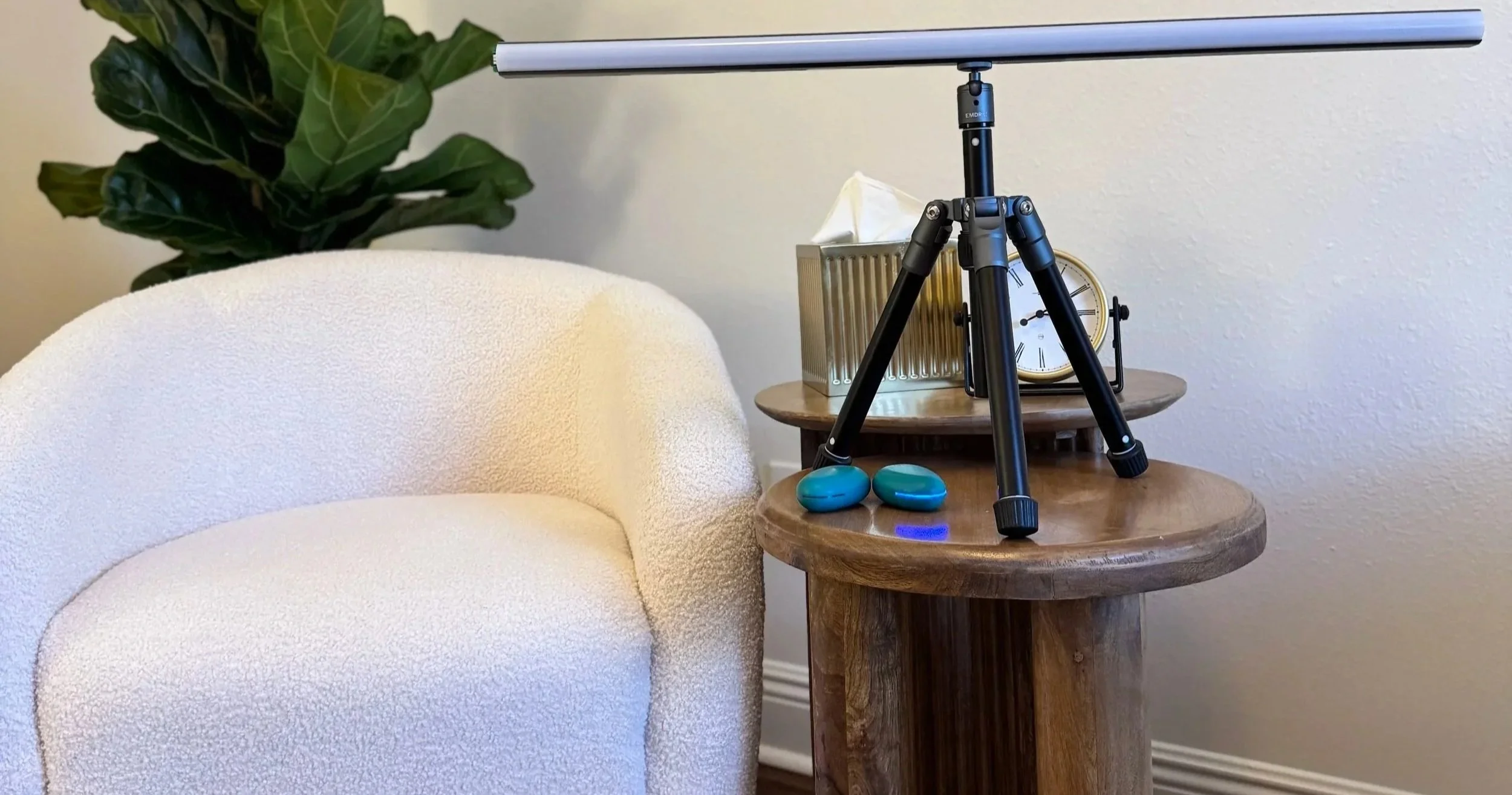
Why EMDR Intensives Can Feel Different
Many adults who pursue EMDR intensives tell me they are exhausted from constantly managing symptoms instead of truly feeling relief.
They often say things like:
“I’m tired of overthinking everything.”
“I feel constantly on edge.”
“My body never fully relaxes.”
“I know I’m safe logically, but my nervous system doesn’t feel safe.”
& these all make total sense!
Because nervous system healing often requires more than simply understanding your stress intellectually.
Therapy approaches like EMDR and Brainspotting work with how trauma and stress responses are stored within the nervous system itself. We aren’t just talking about it, we’re hitting it at the root of the problem.
And intensives create longer, focused space for that deeper work to happen without constantly stopping and restarting the process.
For many adults, this creates a very different experience than traditional weekly therapy alone.
Not because healing is rushed.
But because the nervous system finally has enough space to stay engaged long enough to process more fully. We aren’t leaving things halfway processed, we have time to actually see things through to the end.
You Are Not Failing At Relaxing
If relaxing feels impossible, it does not mean you are doing something wrong.
It may simply mean your nervous system has spent too long believing it needed to stay prepared, alert, and emotionally guarded in order to stay safe.
And healing is not about forcing yourself to “calm down.”
It is about helping your body slowly learn that safety, rest, and emotional ease are possible again.
That process takes time.
It takes support.
And it is absolutely possible for you!

Ready To Feel More Calm In Your Own Body Again?

About the Author
Hannah Ciampini, LCSW is a trauma therapist and EMDR intensive therapist in Pensacola, Florida serving adults throughout Florida and Alabama. She specializes in helping adults heal trauma, anxiety, burnout, nervous system dysregulation, and emotional overwhelm through EMDR intensives, Brainspotting, and trauma-focused therapy. Hannah also works with adults traveling for therapy intensives designed to create deeper healing and lasting emotional change.